
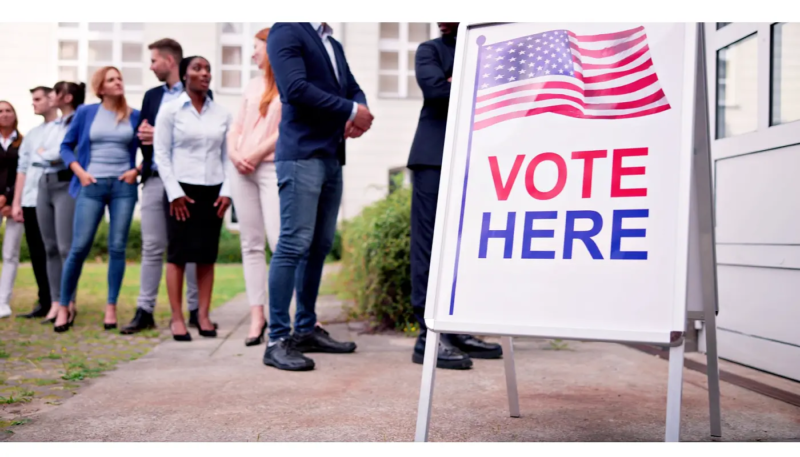
Looking ahead, September marks the start of real election crunch time. Clerks recruit poll workers and lock in training schedules. And this year, they should also build election worker safety planning into that prep.
Local election officials report rising concern about safety heading into the 2026 midterms. Free, practical tools already exist to help. CISA and the U.S. Election Assistance Commission (EAC) publish checklists, training, and incident-response guides that any clerk’s office can use today.
What Does Current Research Say About Election Worker Safety?
The Brennan Center for Justice surveys local election officials every cycle. Its 2026 survey found safety concerns haven’t eased. More than half of officials worry about the safety of their colleagues and staff. A similar share said threats and harassment make it harder to recruit and retain election workers. Nearly a quarter of officials said they worry about being assaulted at home or at work.
Officials named two added pressures. First, federal support for election security has shrunk. Second, AI-generated misinformation makes the job harder and, they say, more dangerous.
A separate survey in April 2026 by Votebeat asked 37 election-administration experts what they expect this cycle. Most experts said physical threats to voters or polling places are at least somewhat likely. Several pointed back to 2024, when bomb threats temporarily closed some polling locations. Experts split on whether threats would actually keep people from voting. Many stayed openly uncertain about the most extreme scenarios.
The honest takeaway: the range of possible outcomes is wide. Preparation matters no matter what point of that range shows up. In short, we like the advice of Denis Waitley:
“Expect the best, plan for the worst, and prepare to be surprised.”
What Can Clerks Do to Prepare?
The guidance referenced here is concrete and free. None of it relies on predicting exactly what November will bring.
Build relationships before you need them
CISA’s physical security guidance puts this first. Connect with local law enforcement, first responders, and emergency management leadership now — not after an incident. Ask whether your office has worked with a CISA Protective Security Advisor. The service costs nothing.
Use the checklists that already exist
CISA publishes a Physical Security Checklist for Election Offices. It helps officials spot gaps before Election Day. The EAC’s Election Management Guidelines cover similar ground from a procedural angle. Their Incident Response Checklist rests on one simple idea: everyone involved should know the response plan before they need it. That means officials, poll workers, and community leaders alike.
Take the free training
CISA offers no-cost training built for election workers. Topics include de-escalation, spotting a situation before it escalates, active-shooter response, and safe handling of election-related mail. These trainings come directly from real incidents at election offices in recent cycles.
Talk openly with your team
The Brennan Center’s research points to something worth naming directly. Officials worry about their colleagues’ safety as much as their own. That makes this a workplace culture issue, not just a security one. A team that has already talked through “what if” is a team less likely to freeze if something happens.
The Bottom Line for Election Prep
You can’t control what November brings. You can control whether your office has a plan. You can build relationships in advance. You can make sure your team knows what to do. That work matters every cycle. It matters even more this year, with high election-official turnover nationwide and offices already stretched thin heading into fall.
Run through the CISA physical security checklist this month. Review the EAC’s incident-response guidance with your team. September — before the real crunch hits — is the time to do it.
Frequently Asked Questions
Are election officials facing more safety concerns in 2026? Yes. The Brennan Center’s 2026 survey found more than half of local election officials worry about their colleagues’ safety, and nearly a quarter worry about being assaulted at home or at work.
What free resources help election offices prepare for safety risks? CISA offers a Physical Security Checklist for Election Offices and free training on de-escalation and incident response. The EAC publishes Election Management Guidelines with a matching Incident Response Checklist.
Who should clerks contact to improve election office security? Clerks can reach out to a CISA Protective Security Advisor for a free assessment, and should build relationships with local law enforcement and emergency management before an incident occurs.