
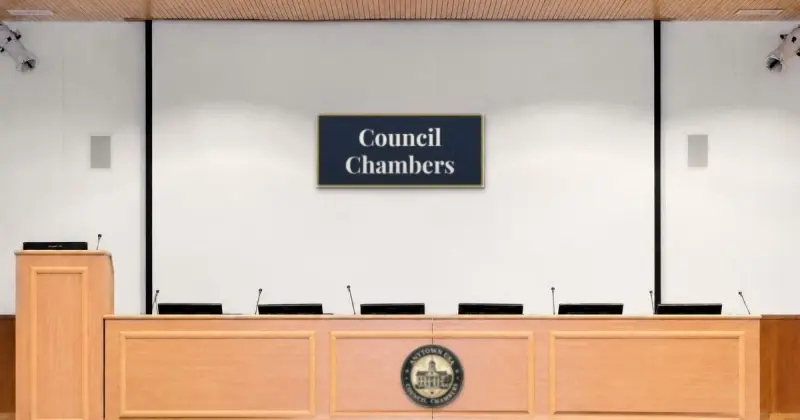
Local government staff know that once the results are certified, a new group of officials is headed to your dais. Here’s a practical list for onboarding newly elected officials, built around what clerks already do well.
In brief
- Elected officials usually take their first cues from the clerk. Impartial, consistent information goes a long way.
- Core training topics: open meetings, public records, ethics and conflicts of interest, procedure, roles, and communication.
- Texts and emails on personal devices can be public records. Say so early.
- Keep seat, term, and appointment records accurate from day one.
Why does the clerk’s office matter so much at the start?
According to a 2025 presentation for Alaska clerks from the state’s Department of Commerce, the clerk is typically the main staff contact for the governing body, serves as institutional memory, and is expected to stay impartial while supporting transparency and legal compliance. That’s a lot to carry while also closing out the election. A repeatable checklist spreads the work out and keeps it from landing in the first week of the term.
What should onboarding cover?
The Alaska presentation recommends these training topics, and they line up closely with what municipal leagues publish:
- Open meetings and public records
- Ethics and conflicts of interest
- Parliamentary procedure
- Due process
- Roles of the mayor, council, and staff
- Technology and communication protocols
The Georgia Municipal Association’s newly elected official orientation checklist is built along similar lines: city policies and budgets, ethics requirements, council procedures, and required training. Your state league or clerks’ association likely has its own version, and the required items vary by state.
Are text messages and personal devices part of the conversation?
They’re worth a few minutes. Many new officials are surprised to learn that messages about public business can be public records even when sent from a personal phone. MRSC, a Washington-based municipal resource center, notes that texts about local government business may be public records, citing a Washington court decision, and suggests each local government adopt a clear policy on how texting can be used and how those messages are retained. Washington is one state’s example. Your state’s records authority and municipal attorney can tell you what applies to you.
A one-page communication guide in the welcome packet usually covers it: which accounts to use, what to do with messages about city business, and who to call with questions.
What should clerks have ready before the first meeting?
- Official records of the seat. Confirm certified results, oath of office, and any required filings are complete and on file. Dates vary by state.
- Seat and term details. Record the seat, term start and end dates, and any committee or board assignments.
- Accounts and access. Email, meeting materials, and any systems they’ll use.
- A welcome packet. The clerk’s office services, a calendar, key contacts, the communication guide, and links to your state’s required training.
- Required training dates. Note what’s required, by when, and who confirms completion.
- A short sit-down. Fifteen to thirty minutes on how agendas are built, how to submit items, and how to reach the clerk’s office.
- A follow-up. Check in after the first few meetings, when real questions come up.
Where can OnBoardGOV help?
For clerks who track membership in OnBoardGOV, the core platform holds each board’s name, description, mission, number of seats, and vacancies, along with members’ assignments and term, appointment, resignation, and expiration dates. That keeps the seat-and-term records in one place as people join and leave.
The Certifications add-on module can be configured to track certifications for whatever a community requires, and ethics training is a common one. It can also send automatic reminders to people who haven’t yet submitted their certifications, which can save a few follow-up emails.
The takeaway
Onboarding doesn’t need to be elaborate. A few predictable topics, a welcome packet, accurate records, and a check-in a few weeks later cover most of it. Your own checklist, built around your state’s requirements, is the best one.